TUGGERAH:

Introduction
Whole mouth dental implants are a transformative solution for patients who have lost most or all of their teeth. Unlike traditional dentures, these implants provide a permanent, stable, and natural-looking alternative, improving both oral function and appearance.
Also known as full mouth dental implants, full arch dental implants, or All-on-4 dental implants, this treatment is designed to replace an entire set of upper or lower teeth with just a few strategically placed implants.
In this guide, we explain what whole mouth dental implants are, the step by step process, benefits, recovery timeline, and how they compare to other tooth replacement options. This information will help you make an informed decision for a confident, long-lasting smile.
What Are Whole Mouth Dental Implants?
Understanding the concept
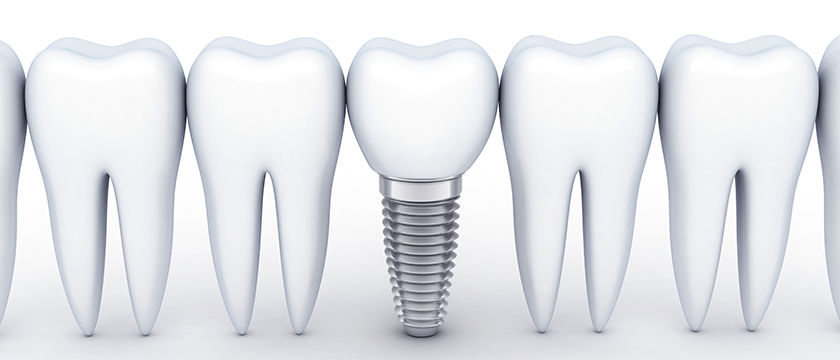
Whole mouth dental implants involve surgically placing dental implants into the jawbone to support a full arch of replacement teeth. Key points:
- Typically, 4 to 6 implants are placed per arch
- Implants serve as anchors for a fixed bridge or denture
- The procedure provides improved chewing ability, speech, and aesthetics
- Offers long-term stability compared to removable dentures
This procedure is ideal for patients with significant tooth loss, severe decay, or failing teeth, providing a permanent and functional solution.
Types of Whole Mouth Dental Implants
Full arch and All-on-4 implants
Full mouth dental implants can be customised based on your oral health and jaw structure:
- All-on-4 dental implants: Uses four implants per jaw to support a full arch of teeth. Suitable for patients with adequate bone density.
- Full arch dental implants: Involves 4–6 implants for a more evenly distributed support. Ideal for patients requiring maximum stability.
- Hybrid dentures: Fixed prosthetics attached to implants, offering denture aesthetics with implant stability.
Your dentist will recommend the best type based on bone availability, medical history, and functional needs.
Step by Step Whole Mouth Dental Implant Procedure
Step 1: Initial Consultation and Assessment
Before treatment, a detailed assessment is performed:
- Comprehensive oral examination and X-rays or 3D CT scans
- Medical history and risk factor evaluation
- Treatment planning for implant positions, prosthetic type, and timelines
Step 2: Tooth Extraction and Bone Preparation
Any remaining teeth that are damaged or decayed may need removal. Bone grafting is sometimes required if there is insufficient jawbone to support implants.
Step 3: Implant Placement Surgery
- Local anaesthetic or sedation is administered
- Implants are surgically inserted into the jawbone
- The gum is sutured over the implants
- Temporary teeth may be fitted immediately (in some All-on-4 cases)
Step 4: Osseointegration
The implants fuse with the jawbone over 3–6 months, creating a solid foundation for permanent teeth.
Step 5: Abutment Placement and Final Restoration
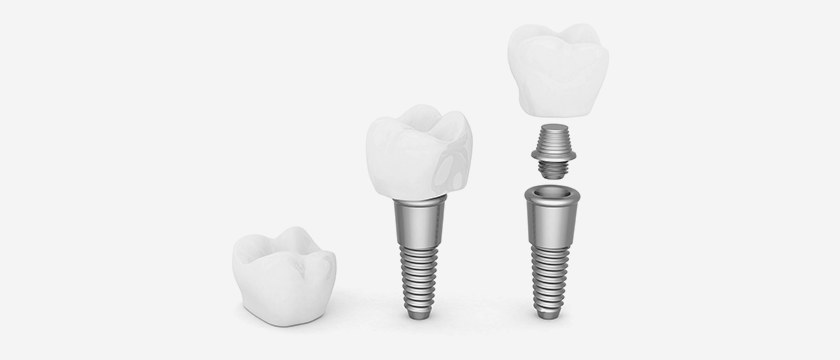
- Abutments are attached to implants
- Permanent prosthetic teeth are custom made and secured
- Bite, alignment, and aesthetics are carefully adjusted
Benefits of Whole Mouth Dental Implants
Why patients choose this option
- Restores full chewing and speaking function
- Preserves jawbone structure and facial appearance
- Provides a permanent, fixed solution compared to removable dentures
- Enhances confidence with natural-looking teeth
- Durable with proper care, often lasting decades
Recovery and Maintenance
What to expect
- Mild swelling and discomfort are normal in the first few days
- Soft foods recommended initially
- Regular oral hygiene and follow-up appointments are essential
- Avoid smoking or alcohol during healing to ensure osseointegration
Maintenance tips for longevity:
- Brush and floss regularly around implants
- Attend routine dental check-ups every 6 months
- Use dentist-recommended cleaning tools for implant-supported teeth
Whole Mouth Dental Implants vs Traditional Dentures
| Feature | Whole Mouth Implants | Traditional Dentures |
| Stability | Fixed, no movement | Can slip or shift |
| Chewing ability | Near natural | Limited |
| Bone preservation | Maintains jawbone | Bone loss over time |
| Aesthetics | Customised, natural | Can appear artificial |
| Longevity | 15–25+ years | 5–10 years |
Quick Answers / FAQ
Are whole mouth dental implants painful?
The procedure is performed under anaesthetic or sedation, so discomfort is minimal and manageable post-surgery.
How long does the full mouth implant process take?
From consultation to final restoration, it may take 3–9 months depending on extractions and bone healing.
Can everyone get whole mouth dental implants?
Most adults with sufficient jawbone and good general health are candidates. Bone grafting can help patients with low bone density.
Do implants require special care?
No special care is required beyond normal brushing, flossing, and routine dental visits.
Are All-on-4 implants different from full arch implants?
Yes. All-on-4 uses four implants for the full arch, whereas full arch may use 4–6 implants for added stability.
Professional Perspective From Digital Dental Surgery Tuggerah
At Digital Dental Surgery Tuggerah, our team specialises in full mouth restorations. We customise implant placement for optimal function, aesthetics, and comfort. Our experience shows that combining modern implant technology with careful planning ensures predictable long-term results and patient satisfaction.
Conclusion
Whole mouth dental implants offer a permanent, functional, and natural-looking solution for patients with multiple missing teeth. Understanding the procedure, recovery, and maintenance helps patients make informed decisions and enjoy a healthy, confident smile for years to come.
For personalised advice or to discuss treatment options, contact Digital Dental Surgery Tuggerah today and book a consultation with our experienced implant specialists.
There’s no getting away from the fact that when it comes to dental implant cost, Thailand can offer considerable savings versus the same treatment back Read more

If you’re considering dental implants in Bali, then you’re not alone. Over 10,000 Australians make the trip abroad to get dental work done each year, Read more

Have you ever been intrigued by the idea of getting cheap dental implants overseas? If the answer is yes, then you’re not alone. The Australian dental Read more