TUGGERAH:

A dental implants procedure is a reliable and long-lasting solution for replacing missing teeth, restoring both function and aesthetics. Dental implants mimic natural teeth by integrating a titanium post into the jawbone, which then supports a crown, bridge, or denture.
If you’re considering dental implants, understanding the step-by-step process is essential. This guide covers each stage of the procedure, from initial consultation to post-surgery care, while highlighting recovery expectations, risks, and the benefits of professional treatment.
What Are Dental Implants?
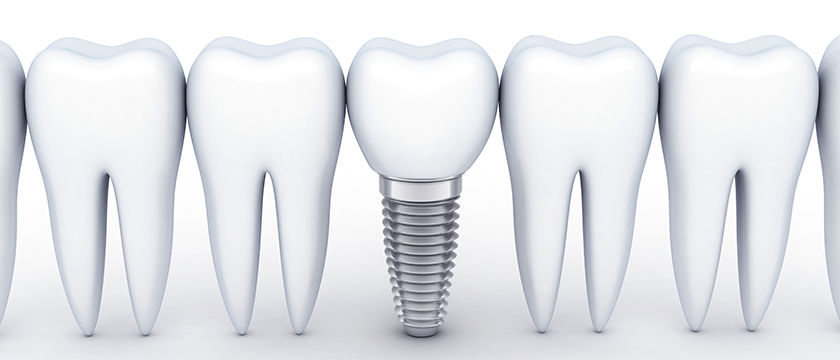
Dental implants are titanium posts surgically placed into the jawbone to act as artificial tooth roots. Once integrated, they provide a stable foundation for a replacement tooth or multiple teeth.
Key benefits:
- Restore chewing and speaking function
- Prevent bone loss in the jaw
- Durable and long-lasting
- Natural-looking aesthetics
Stages of a Dental Implant Procedure
Dental implant treatment typically occurs in several stages to ensure optimal outcomes and safety.
Stage 1: Initial Consultation and Assessment
- Comprehensive oral examination, including X-rays or CT scans
- Assessment of jawbone density and gum health
- Discussion of treatment options and personalised plan
- Cost estimation and scheduling
Tip: Clinics like Digital Dental Surgery Tuggerah ensure patients understand each step before proceeding.
Stage 2: Tooth Extraction (if necessary)
- Removal of damaged or decayed teeth before implant placement
- Healing period of 4–6 weeks may be required before surgery, depending on bone health
Stage 3: Implant Placement Surgery
- Local anaesthesia or sedation is administered
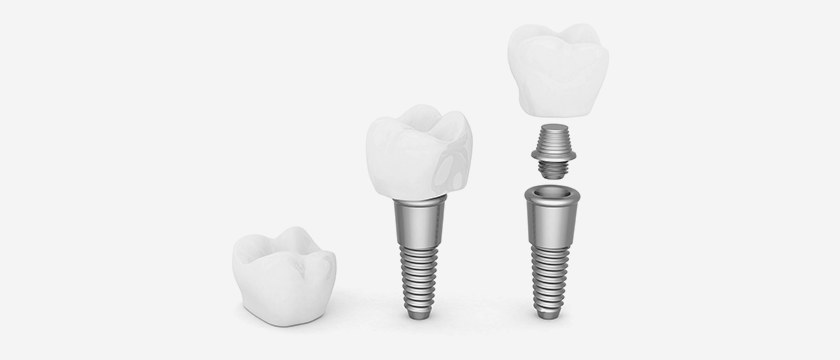
- Titanium implant is placed into the jawbone
- Surgical site is sutured and left to heal for osseointegration (typically 3–6 months)
Osseointegration: The process where the implant fuses with the jawbone, providing a stable base for the replacement tooth.
Stage 4: Abutment Placement
- Once osseointegration is complete, a small connector called an abutment is attached to the implant
- This serves as the anchor for the final crown or prosthetic
- Minor gum healing may occur for 1–2 weeks
Stage 5: Placement of Crown, Bridge, or Denture
- Custom-made crown, bridge, or denture is secured to the abutment
- Final adjustments ensure bite alignment and aesthetics
- Patient receives care instructions for maintaining the implant
Recovery After Dental Implant Surgery
Recovery varies depending on the number of implants and individual health:
- Mild swelling and discomfort are common for the first 3–5 days
- Soft diet recommended initially
- Good oral hygiene is essential to prevent infection
- Follow-up appointments are necessary to monitor healing
Pro tip: Avoid smoking and alcohol during recovery to improve healing outcomes.
Risks and Considerations
Dental implant surgery is generally safe, but potential risks include:
- Infection at the implant site
- Nerve injury causing numbness or tingling
- Sinus problems for upper jaw implants
- Implant failure due to poor bone integration or insufficient oral care
Preventive measure: Choosing an experienced implant dentist significantly reduces risks.
Quick Answers / FAQ
Q1: How long does a dental implant procedure take?
The full treatment can take 3–9 months, including healing and osseointegration, depending on the patient’s oral health.
Q2: Is dental implant surgery painful?
Most patients experience minimal discomfort thanks to local anaesthesia and sedation options. Mild swelling or soreness may last a few days.
Q3: Are dental implants permanent?
With proper care, dental implants can last 15–25 years or longer. Regular dental check-ups are essential.
Q4: Can anyone get dental implants?
Most adults with healthy gums and sufficient bone can be candidates. Bone grafting may be required for patients with insufficient jawbone.
Q5: How much does a dental implant cost in Australia?
Costs vary, but single dental implants typically range from AUD 3,000–6,000, depending on complexity, materials, and clinic location.
Real-World Examples
- A patient missing a lower molar underwent a single dental implant procedure. Healing and osseointegration took 4 months, followed by abutment placement and crown fitting, restoring full chewing function.
- Another patient required multiple implants for a full arch restoration. The procedure included bone grafting, staged implant placement, and a custom denture, resulting in improved aesthetics and oral health.
Conclusion
A dental implants procedure is a safe, effective, and long-lasting solution for missing teeth. By understanding each stage, from consultation to final crown placement, patients can approach treatment with confidence. Proper care, regular dental visits, and choosing an experienced implant dentist are key to long-term success.
Ready to restore your smile? Contact Digital Dental Surgery Tuggerah today to schedule a consultation and discuss a tailored dental implant plan.
There’s no getting away from the fact that when it comes to dental implant cost, Thailand can offer considerable savings versus the same treatment back Read more

If you’re considering dental implants in Bali, then you’re not alone. Over 10,000 Australians make the trip abroad to get dental work done each year, Read more

Have you ever been intrigued by the idea of getting cheap dental implants overseas? If the answer is yes, then you’re not alone. The Australian dental Read more